A direct connection, not an interface file
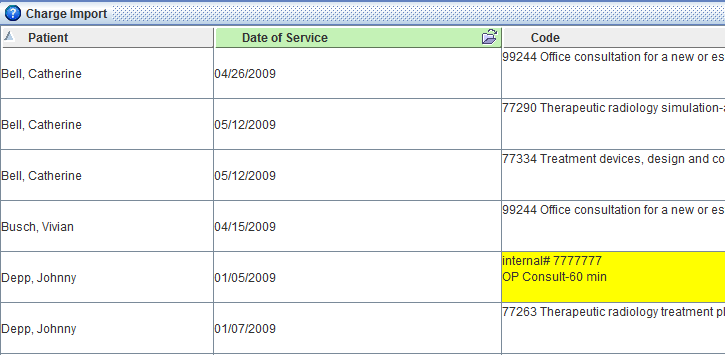
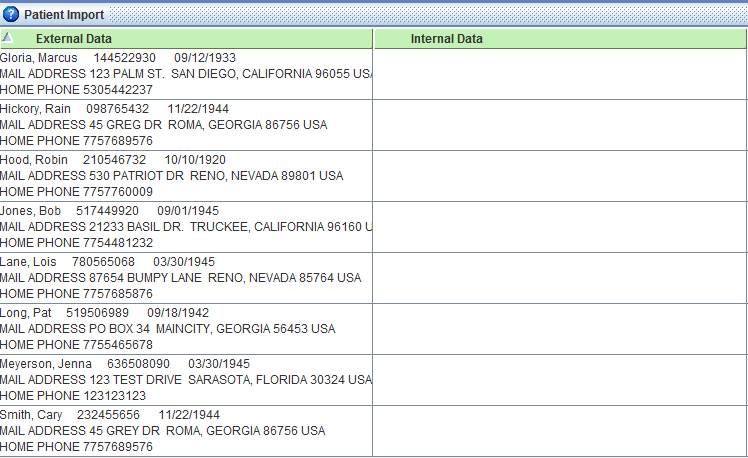
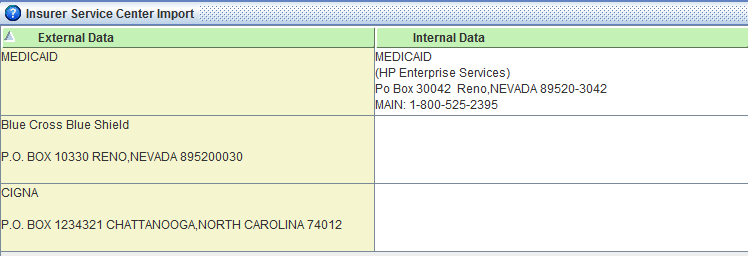
Shavara engineered a direct integration import that bypasses the HL7 interface and connects to the host Record & Verify system. Patient demographics, insurance data and CPT charges come into Iridium Suite as they are recorded in the treatment system, which raises charge accuracy and removes the time a biller would spend keying the same data twice.
What happens to an imported charge
Every charge passes through the claim scrubber before it becomes a claim. The scrubber counts delivered fractions for 77427, checks simulation and device codes against the course, applies the payer’s rules, and warns when a charge carries a code that was deleted for the date of service, which matters after the 2026 radiation oncology code change. A charge that fails shows the rule and the fix next to the line.
The charge table is yours
The codes attached to each activity in Aria or Mosaiq belong to the practice, and in a hospital-based arrangement to the hospital. Iridium Suite does not change them. When the code set changes, the table has to be reviewed at the source; Record and Verify charge capture after the 2026 code change walks through that review in an afternoon.
Frequently asked
Which Record & Verify systems does Iridium Suite connect to?
Varian's Aria and Elekta's Mosaiq. The import connects directly to the host system rather than through an HL7 interface.
What is imported?
Patient demographics, insurance coverage and CPT charges with their dates of service. The diagnosis is carried through the treatment course, so it is not re-entered on each service line.
Who maintains the charge codes that come across?
The practice, or the hospital in a hospital-based arrangement; the charge table is kept in the treatment system. Iridium Suite checks every imported charge in the claim scrubber and warns when a charge carries a code that no longer exists for the date of service.